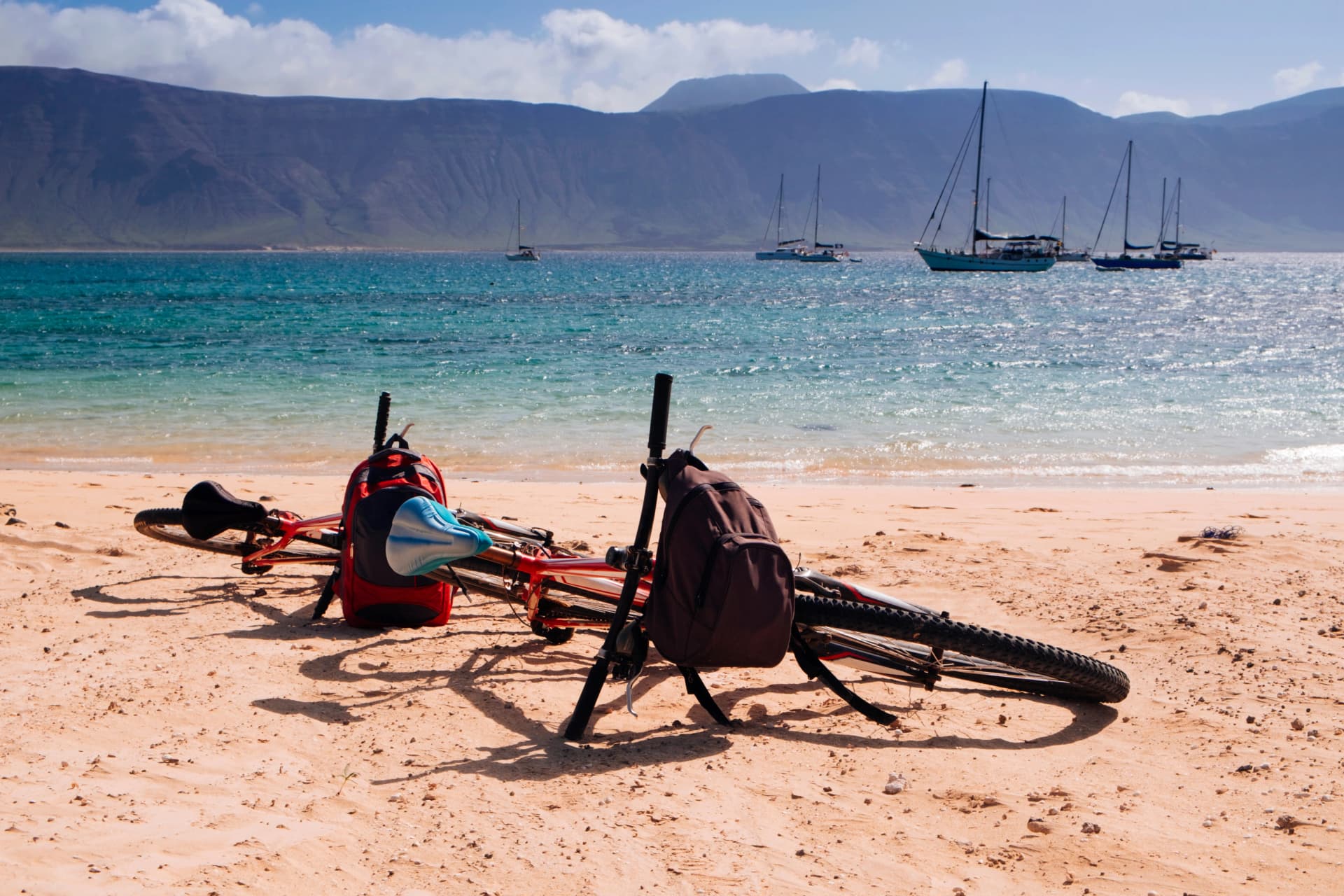
Cycle across the Canary Islands’ rugged scenery, combining iconic climbs, warm breezes, and striking coastal panoramas shaped by centuries of volcanic activity.
Highlights
- Movistar, Visma | Lease a Bike, Ineos camp here in January
- Mount Teide, Timanfaya, Roque Nublo
- 20 to 25°C at sea level from November to May
- Tenerife's Teide road: from the sea to 2,358 m
Canary Islands Cycling Holidays
Cycle across the Canary Islands’ rugged scenery, combining iconic climbs, warm breezes, and striking coastal panoramas shaped by centuries of volcanic activity.
Highlights
- Movistar, Visma | Lease a Bike, Ineos camp here in January
- Mount Teide, Timanfaya, Roque Nublo
- 20 to 25°C at sea level from November to May
- Tenerife's Teide road: from the sea to 2,358 m



Plan with a cycling expert
Free advice from a team that knows these routes inside out - real people, not a bot
About Cycling in the Canary Islands
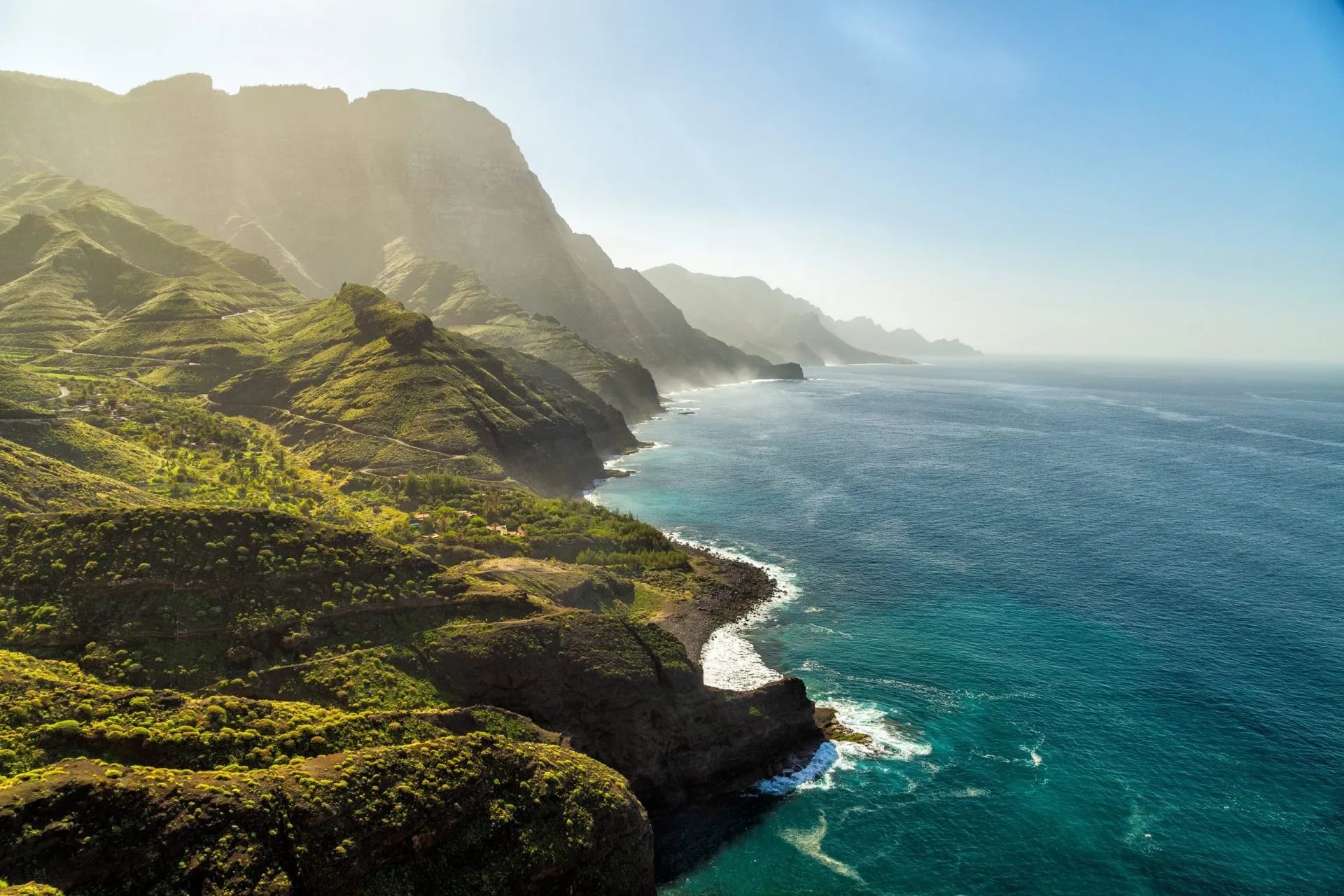
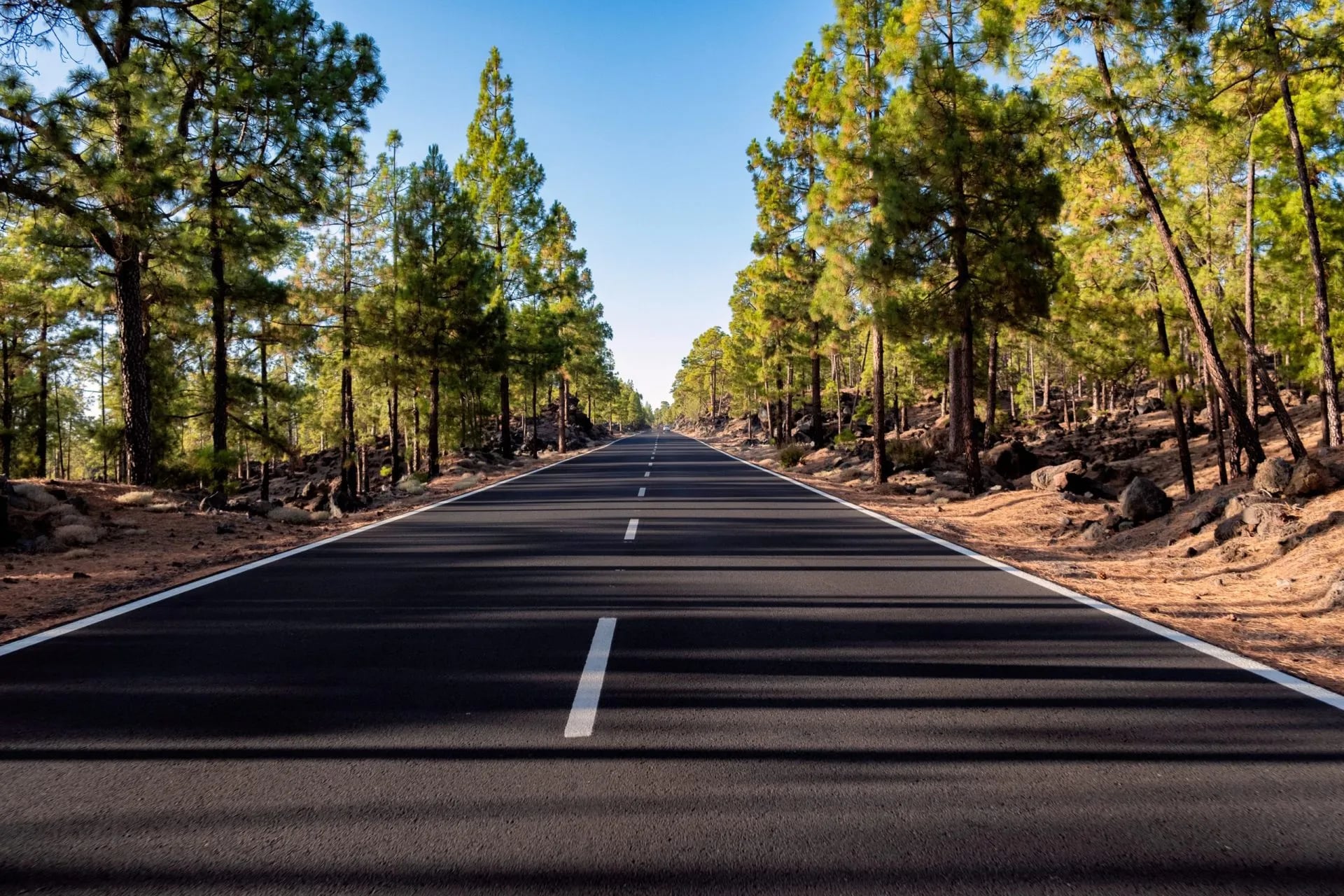
Blessed with volcanic landscapes, Atlantic breezes, and year-round warm weather, the Canary Islands offer a cycling environment unlike anywhere else in Spain. Each island brings its own identity, from lava-shaped terrain to lush northern valleys and sun-drenched southern coasts.
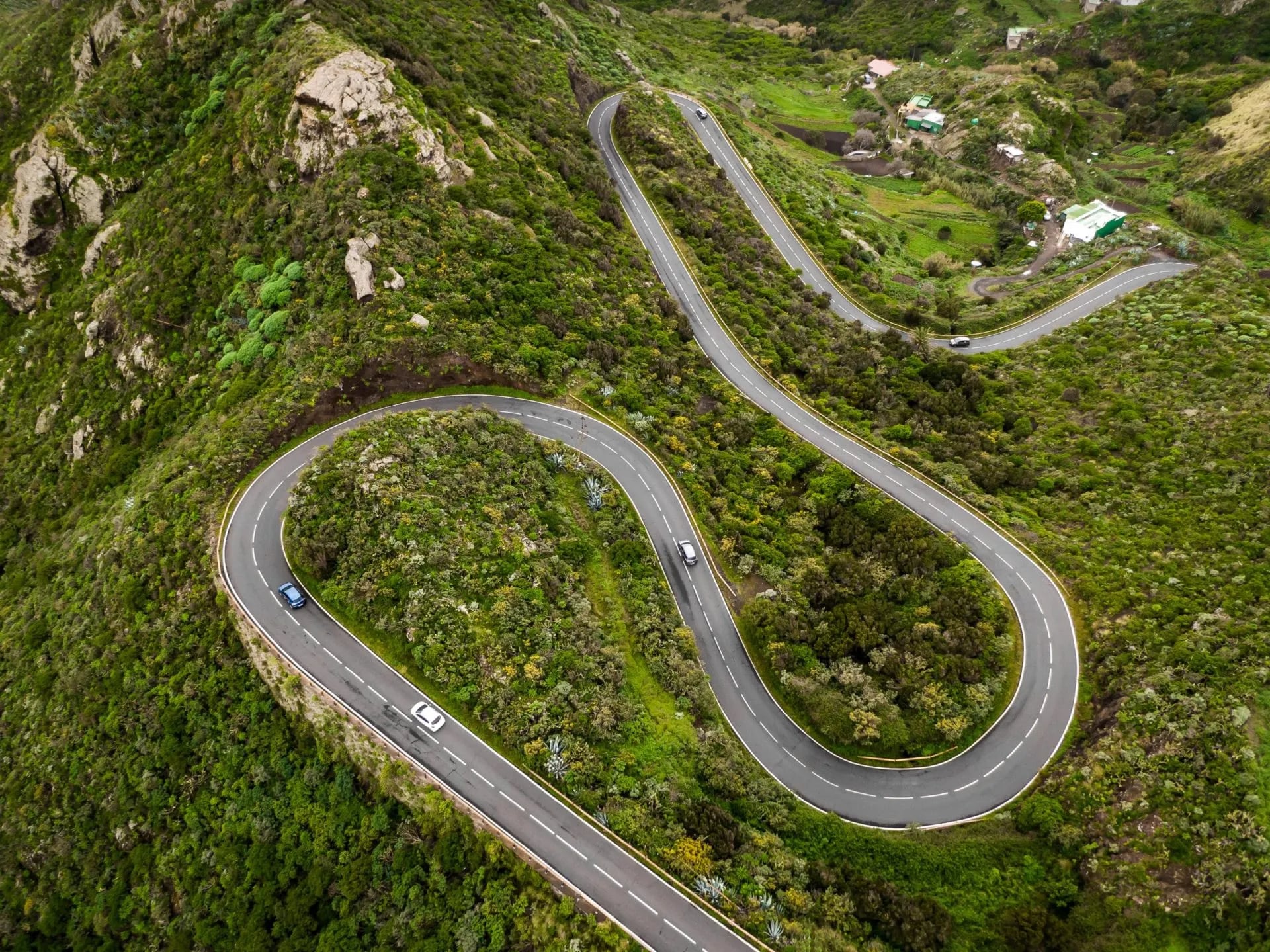
For cyclists, the archipelago delivers remarkable variety and elevation. Gentle coastal stretches unfold beside turquoise waters, while the steep, winding roads of Tenerife’s Teide National Park or Gran Canaria’s mountainous interior provide challenging, high-altitude ascents for experienced riders.
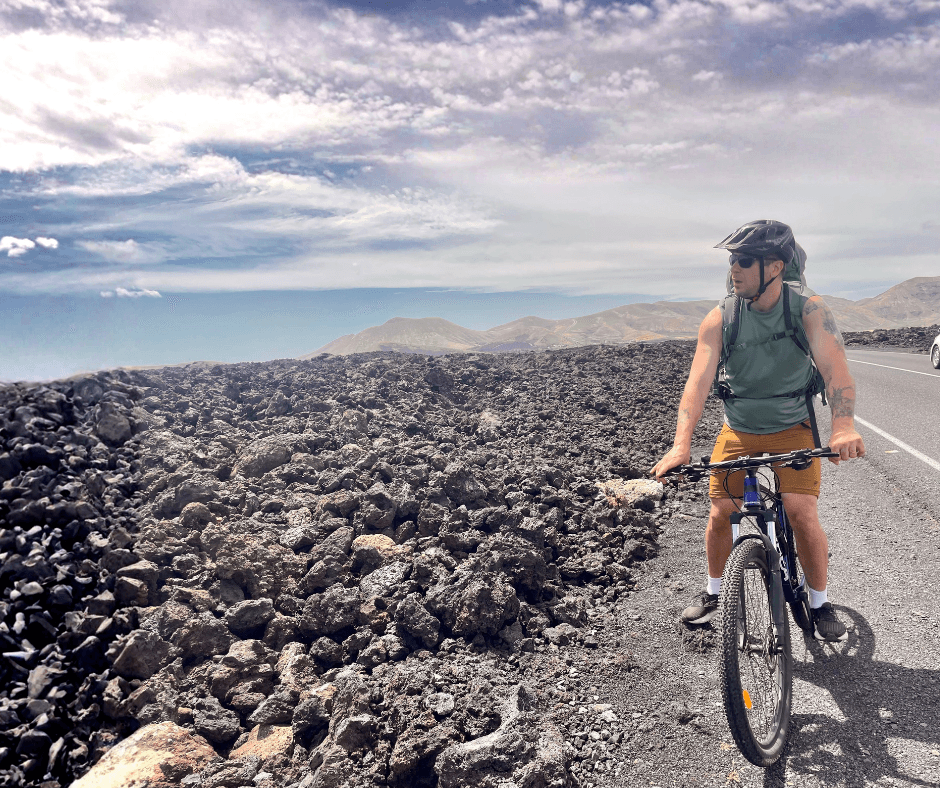
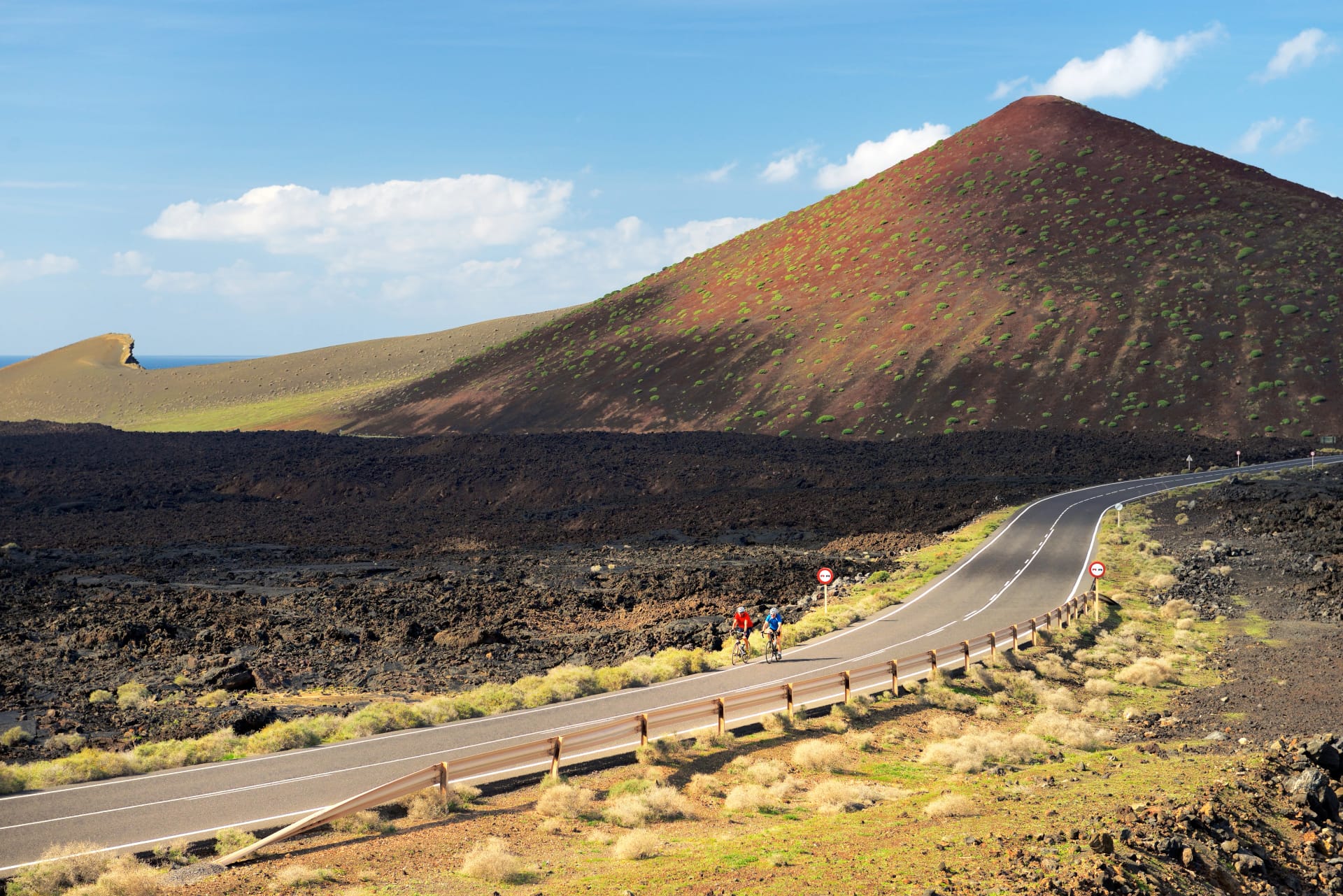
Routes weave through quiet seaside villages, terraced farmlands, and volcanic formations that feel almost lunar. Inland climbs often pass through protected natural areas such as Timanfaya National Park on Lanzarote or the dramatic cliffs surrounding Roque Nublo, offering both scenic viewpoints and technical riding.
A fusion of island culture and nature defines the experience. Traditional fishing towns, lively markets, and historic quarters like La Laguna highlight centuries of Atlantic trade and migration. Along the way, cyclists often sample local dishes such as papas arrugadas, fresh seafood, and the region’s distinctive mojo sauces.
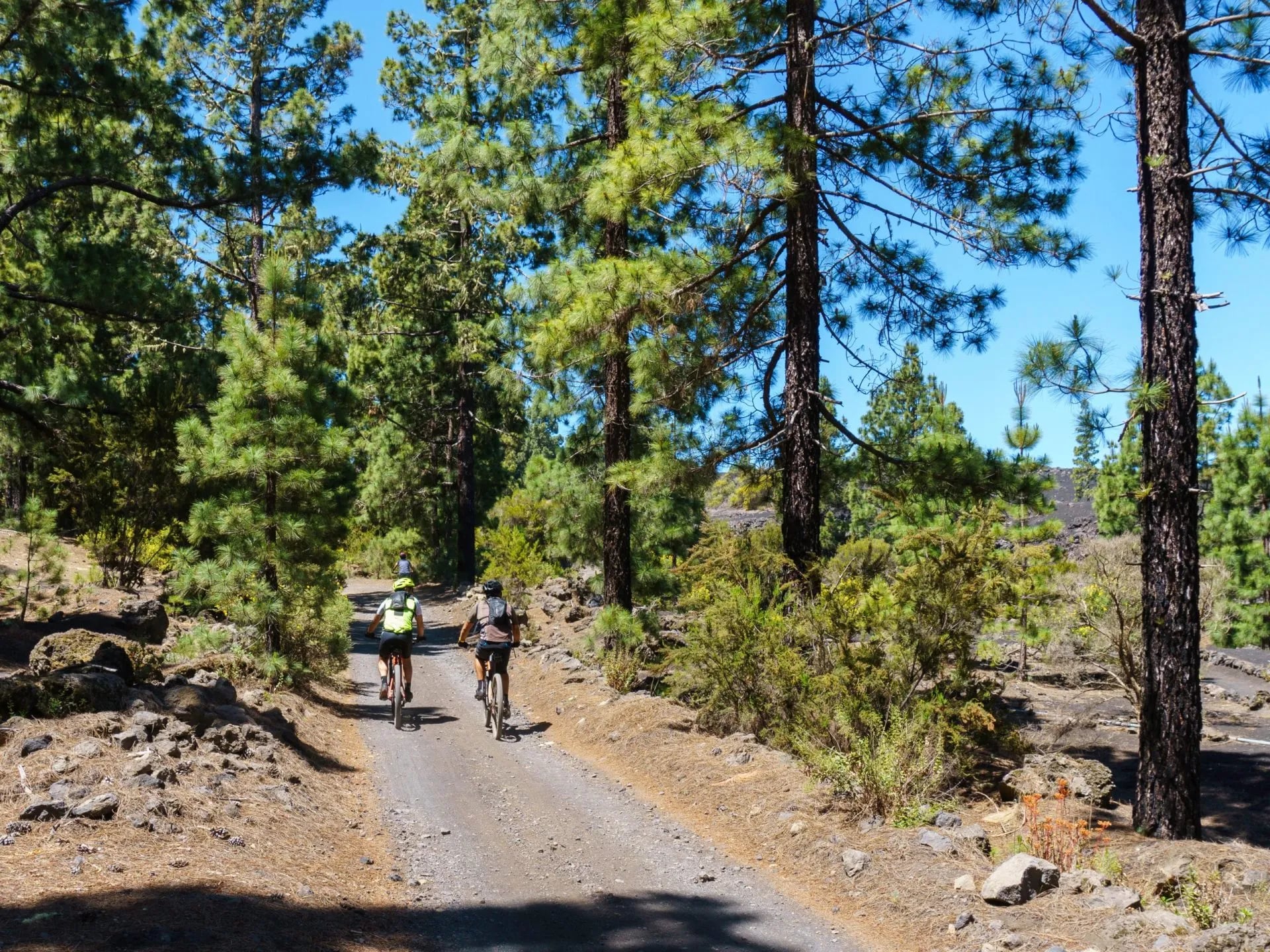
Whether you’re seeking leisurely coastal rides with stable weather, mountain-bike trails on Tenerife, or a serious climbing challenge on some of Europe’s longest continuous ascents, the Canary Islands provide it all.
With predictable sunshine, dramatic terrain, and well-maintained roads, the archipelago guarantees a memorable and truly unique cycling experience.

Hassle-Free
We take care of route planning, accommodations, luggage transfers, and all logistics, so you can focus purely on enjoying your ride.

Tried & Tested Adventures
Our cycling routes are hand-picked & tested, to ensure breathtaking landscapes, smooth roads, and maximum safety - giving you the perfect ride every day.

Unbeatable Support
Our 24/7 customer support is where we show our passion, ensuring your cycling holiday runs smoothly and your well-being is always our top priority.

Book with Confidence
We are a financially protected company, fully bonded and insured, keeping your money safe and allowing you to travel with confidence.
What to Expect When Cycling in the Canary Islands?
19 rain days a year at Lanzarote airport, 22 at Gran Canaria's. Palma de Mallorca gets 51.
December to February: 21 to 23 °C on the coast
June to August: almost no rain at all
August afternoons: 27 to 29 °C, so start early
Even in winter, rain falls on fewer than five days a month. Palma, by comparison, sits at 15 to 16 °C.
How steep is Gran Canaria? Pico de las Nieves, the top of the island at 1,949 m, has two very different roads up:
From Ingenio: 23.1 km at 7.1 %, ramps of 16 %
From Maspalomas: 44.5 km at 4.6 %
The tour sleeps in the middle of the island, at about 1,400 m. On clear days, the top looks across to Tenerife.
Pro teams winter here. The organisers of the new Vuelta a Canarias say over 70 % of them train on the islands before the season.
14–17 January 2027: the first Vuelta a Canarias
Two stages on Gran Canaria, two on Tenerife
15 May 2027: Ironman Lanzarote, hilly bike leg
Visma | Lease a Bike is a partner of Canary Islands tourism.
Choose by height, lowest first:
Lanzarote, 671 m: Cycling Holidays of Lanzarote
Gran Canaria, 1,949 m: Cycling Tour of Gran Canaria
Tenerife, 3,715 m: road, climbing and MTB tours
Teide and the Tenerife tours have their own page: Tenerife cycling holidays →
Our Canary Islands cycling guide compares the islands.
On Lanzarote, the artist César Manrique built lookouts and gardens into the lava. You pass them on the way north to Haría.
The same day reaches the Cueva de los Verdes, a lava tube about 6 km long.
On Gran Canaria, the road above Agaete leads to Risco Caído, UNESCO-listed since 2019. Its cave houses and granaries predate the Spanish conquest, and it may have served as an astronomical observatory.
In the south of Lanzarote, at El Golfo, an old crater lies open to the sea. Seawater seeps in and forms a bright green lagoon.
Gran Canaria's north coast feels like another country, with banana plantations below the cliffs of Tamadaba.
Our Lanzarote cycling guide covers the rides around El Golfo →